

A successful bathroom renovation comes down to a handful of decisions made before the first tile is laid. Most homeowners run into the same problems: a rushed plan, a weak budget buffer, water getting where it should not, and a layout that looks fine on paper but feels wrong in daily use. Knowing these bathroom renovation mistakes to avoid before you start saves you time, money, and a lot of frustration once the work is underway.
The most common bathroom renovation mistakes to avoid are skipping the planning stage, underestimating waterproofing, choosing the wrong tiles, ignoring layout clearances, and hiring a tradesperson without checking their licence or insurance. Each mistake is easy to prevent with a clear plan, the right materials, and a qualified team from day one.
Hiring a TrustMark registered bathroom renovation company can help ensure your project is completed to recognised industry standards with quality workmanship.
The Most Common Bathroom Renovation Mistakes to Avoid
Bathrooms pack a lot of systems into a small space. Plumbing, electrical work, drainage, and finishes all sit close together, so a small error in one area often affects the rest. The mistakes below cover the biggest risks homeowners face, along with practical ways to prevent each one.
Mistake 1: Skipping the Planning and Budget Stage
Many renovations start with excitement and a rough idea, but no real plan. This leads to decisions made on the fly once work has already begun.
Set your layout, your budget, and your material list before you book any trades. Every time you move a toilet, shower, or vanity, you add cost to your plumbing bill. Think through how you will actually use the space. Will the vanity drawers open freely? Can you reach a towel rail from the shower?
A realistic budget includes a contingency buffer of at least ten percent on top of your base costs. Older homes often hide surprises behind walls, such as ageing pipework or damaged flooring. Setting this money aside early means a hidden issue does not stall the whole project.
Mistake 2: Underestimating Waterproofing
Waterproofing rarely gets the attention it deserves, yet it protects everything else in the room. A poor membrane job shows up months later as a leak, a patch of mould, or a loose tile that was never the real problem.
Why Waterproofing Fails
Tile and grout alone do not stop water. A continuous waterproof membrane needs to sit beneath the tiles across the entire wet area, not just the shower floor. Corners, hobs, and the joins between walls and floors are the weak points where membranes most often fail, so these areas need extra care during installation.
The Australian Standard for Wet Areas
In Australia, waterproofing in bathrooms is governed by AS 3740, the standard referenced in the National Construction Code for domestic wet areas. It sets out where a membrane is required, how high it must run up the walls, and how the floor should be graded toward the drain. Always confirm your renovation plan and your tradesperson’s work meet this standard, since it protects your home and your insurance position if a dispute ever arises.
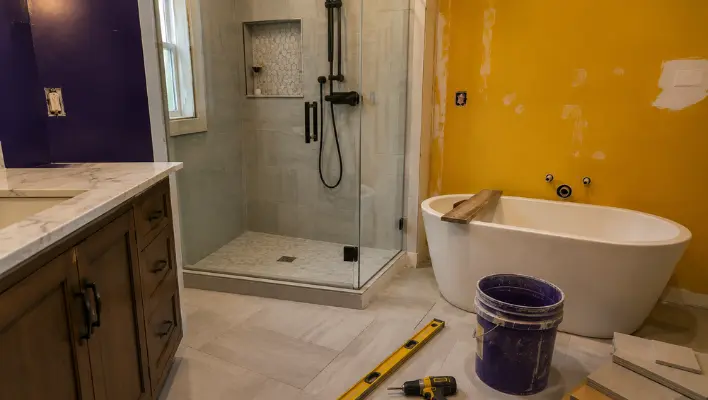
Mistake 3: Getting the Layout and Clearances Wrong
A bathroom can look great in a sketch and still feel cramped once it is built. This usually happens when looks come before function in the early planning.
Clear space around each fixture makes daily use comfortable. Leave enough room in front of the toilet and beside the vanity so doors and drawers open fully. Mark out your proposed layout on the existing floor with tape before any work begins. Walk through it, open every door and drawer, and sit where the toilet will go. This simple check catches problems while they still cost nothing to fix.
Mistake 4: Choosing the Wrong Tiles and Materials
Tiles set the tone for the whole room, but the wrong choice creates ongoing headaches. A glossy finish that looks stunning in a showroom can become a safety hazard on a wet floor.
Understanding Slip Ratings
Floor tiles carry a slip rating that tells you how safe they are when wet. Look for a rating of R10 or higher for bathroom floors, and check the coefficient of friction figure if the supplier provides one. Large-format tiles suit small bathrooms well, since fewer grout lines make the room feel bigger. Textured or matte tiles grip better underfoot than polished or glossy options, which matters most around the shower and bath.
Mistake 5: Underpowered Ventilation
Steam and moisture need somewhere to go once a shower or bath is finished. Without proper airflow, that moisture settles into walls, grout, and ceilings.
Choose an exhaust fan sized for your bathroom’s floor area, and vent it straight outside rather than into the roof cavity. A fan that only moves air into a closed ceiling space simply shifts the moisture problem rather than solving it. If your bathroom gets natural light through a window, opening it daily during dry weather also helps keep humidity down.
Mistake 6: Poor Lighting Design
A single overhead light often leaves the vanity in shadow, which makes everyday tasks like shaving or applying makeup harder than they need to be.
Layer your lighting with three types: ambient light for general brightness, task light at the vanity for grooming, and accent light to highlight a niche or feature wall. Mirror lighting placed at eye level on both sides works better than a single fixture mounted above the mirror, since it removes shadows from the face.
Mistake 7: Forgetting Storage From the Start
A bathroom that looks clean and finished on day one can turn cluttered within weeks if storage was an afterthought.
Plan storage into your design from the beginning rather than adding it later. Recessed niches built into the shower wall, drawers in the vanity, and a wall-mounted cabinet near the basin all add practical space without crowding the room. Build these into your renovation plan alongside your tile and fixture choices.
Mistake 8: Renovating in Stages Without a Plan
Splitting a renovation into stages can spread out the cost, but it often increases the total bill if there is no clear plan behind it.
Each stage usually means a new setup cost for trades returning to site, plus the risk that an earlier decision does not match a later one, such as tile choices that no longer line up. If staging is your only option, write out the full design first so every stage works toward the same finished result, rather than treating each stage as a separate decision.
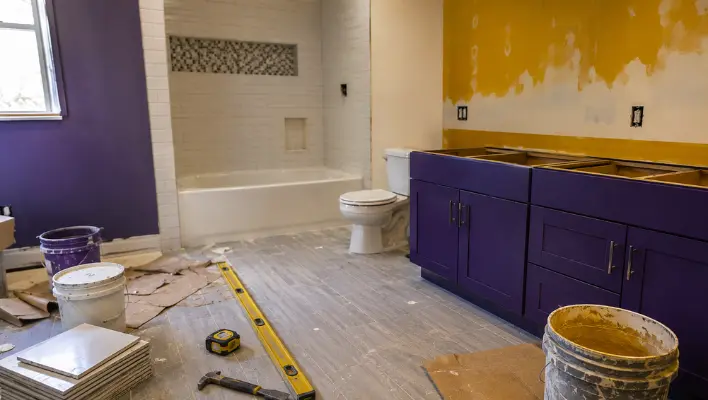
Mistake 9: Hiring Without Proper Vetting
The quality of your renovation depends heavily on who you hire. Choosing based on the lowest price alone often leads to rework, delays, and compliance issues later.
Ask for a written scope of work and a fixed price before any work starts. Confirm your tradesperson holds a current license and proof of insurance, and ask to see examples of completed bathroom projects similar to yours. A reliable team will answer these questions directly and without hesitation.
How to Avoid These Mistakes Before You Start
Most bathroom renovations run for four to six weeks from demolition to final fit-out, though scope and material availability can shift this timeline. Money tends to get lost in three places: plumbing relocation, waterproofing repairs, and material changes made mid-project after trades are already on site.
Lock in your layout and material selections before demolition begins. Confirm lead times on tiles and fixtures so a delivery delay does not stall your trades. Keep your contingency fund untouched unless a genuine issue appears once walls are opened. These three habits prevent most of the mistakes covered in this guide before they have a chance to happen.
Frequently Asked Questions
What is the first step before starting a bathroom renovation?
The first step is locking in your layout, budget, and functional needs before any demolition or material ordering begins.
How long does a typical bathroom renovation take to complete?
Most bathroom renovations take around four to six weeks, depending on size, layout changes, and material availability.
What factors influence the overall cost of a bathroom remodel?
Cost depends on materials, labour, the extent of plumbing or electrical changes, waterproofing requirements, and fixture quality.
Can a bathroom renovation be done in stages?
Yes, though staging usually adds cost and time due to repeated trade setup. A full design plan before you start keeps each stage consistent.
Do I need approval for changing bathroom plumbing positions?
In many cases, yes. Moving plumbing often involves structural or drainage changes that fall under local building regulations.
Which materials hold up best in wet bathrooms?
Porcelain and ceramic tile, moisture resistant cabinetry, and corrosion resistant tapware all perform well in constant moisture and daily use.
What does “layered lighting” mean?
Layered lighting combines ambient light for overall brightness, task light at the vanity, and accent light for mood and feature areas.
Final Thoughts
A successful bathroom renovation comes down to a few decisions made before any work begins. Plan your layout and budget early, take waterproofing seriously, and choose materials suited to a wet space. Vet your tradesperson properly and avoid splitting the job into stages without a clear design in place. Get these basics right from the start, and your bathroom renovation will hold up well for years, without the costly corrections that come from skipping a step.