To choose a bathroom renovation that truly works for your home, start by defining your budget, deciding on the scope of work, picking a layout that suits your space, and selecting materials that match your lifestyle and design taste. This simple sequence saves time, prevents costly mistakes, and helps you create a bathroom you will love for years. Whether you are refreshing a small powder room or planning a complete overhaul, understanding how to choose a bathroom renovation step by step makes the entire process feel manageable instead of overwhelming.
A bathroom renovation is one of the most valuable upgrades you can make to your home and our team at Bathroom Renovation Wolverhampton has guided hundreds of homeowners through exactly this process It improves daily comfort, increases property value, and gives your space a fresh, modern feel. But with so many decisions involved, from plumbing fixtures to tile patterns, many homeowners feel unsure where to begin. This guide breaks the process into clear, practical steps so you can plan with confidence and avoid common renovation regrets.
What Does A Bathroom Renovation Actually Involve
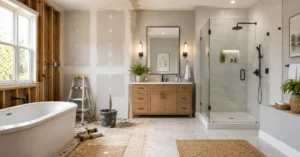
Before you choose a bathroom renovation plan, it helps to understand what the term covers. A renovation generally updates existing features such as flooring, vanities, fixtures, paint, and tile without changing the room’s layout or plumbing structure. This differs from a full remodel, which often involves moving walls, relocating plumbing, or expanding the footprint of the space.
Knowing this distinction matters because it directly affects your budget, timeline, and the level of professional help you will need. A simple renovation might take two to three weeks, while a structural remodel involving new plumbing or electrical work can stretch into months. Identifying which category your project falls into is the first practical step in choosing the right path forward.
Step One: Set A Realistic Budget First
Every successful bathroom renovation begins with a clear budget. Before you fall in love with marble countertops or a freestanding tub, know how much you are comfortable spending and where that money will go.
A useful approach is to break your budget into categories such as flooring, vanity and cabinetry, tile and surfaces, fixtures and plumbing, lighting, and labor. This category based planning shows you where you have room to splurge and where you should save. For example, plumbing and fixture costs often take up the largest share of a renovation budget, followed by surfaces, labor, and cabinetry.
It also helps to set aside a contingency fund of around ten to fifteen percent of your total budget. Older homes especially tend to reveal surprises once walls or flooring are opened, such as outdated wiring or water damage. Planning for these possibilities in advance keeps your project on track financially.
Step Two: Decide The Scope Of Your Project
Once your budget is in place, decide how much work your bathroom actually needs. Ask yourself a few honest questions. Does the room function well but simply look outdated? Or are there real problems such as poor ventilation, limited storage, or an inconvenient layout?
A cosmetic update might include new paint, updated fixtures, fresh tile, and a new vanity, all without touching the plumbing. A more involved project may include relocating the toilet, expanding the shower, or reconfiguring the floor plan entirely. Matching your scope to your actual needs, rather than what looks impressive online, helps you avoid overspending on changes that do not improve daily use.
This is also the stage where you decide whether to hire a general contractor, work with a design build firm, or manage smaller updates yourself. For projects involving plumbing or electrical changes, working with a licensed professional is strongly recommended for safety and code compliance.
Step Three: Choose A Layout That Suits Your Space
Layout decisions shape everything that follows, so they deserve early attention when you choose a bathroom renovation design. Consider how many people use the bathroom daily, whether you need a bathtub or prefer a walk in shower, and how much storage your household requires.
Small bathrooms benefit from layouts that maximize light and minimize visual clutter, such as wall mounted vanities, sliding doors, or recessed shower niches. Larger bathrooms offer more flexibility for features like double vanities, freestanding tubs, or separate shower and toilet areas. If accessibility is a concern, now or in the future, consider wider doorways, grab bar blocking, and curbless shower entries that support aging in place comfortably.
Sketching your ideal layout, even roughly, and discussing it with a contractor early on helps identify what is realistically achievable within your existing walls and plumbing lines.
Step Four: Pick A Design Style And Color Palette
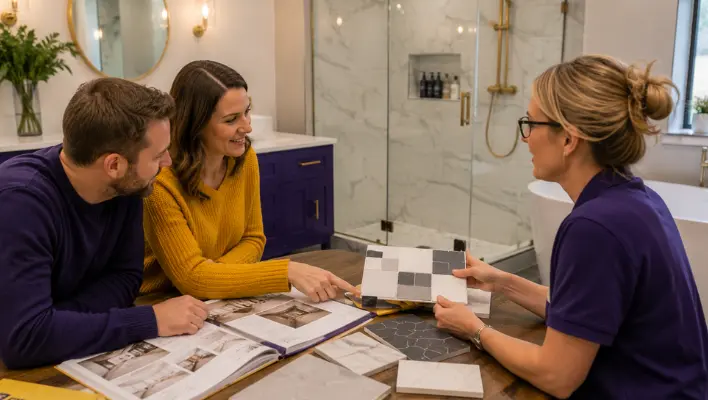
With your layout settled, move on to style. A clear design direction makes every following decision faster and more cohesive. Start by gathering inspiration from sources you trust, whether that is a home design app, a magazine, or photos of bathrooms you have personally admired. Look for recurring elements such as warm wood tones, natural stone textures, or a particular tile shape that keeps catching your eye.
Your color palette should also reflect the size and lighting of your space. Light, neutral tones tend to make smaller bathrooms feel more open and airy, while larger bathrooms with ample natural light can support deeper, richer colors without feeling closed in. Choosing your palette before selecting individual materials prevents the common mistake of picking beautiful pieces that do not actually work together. If you’d rather have a professional pull your inspiration into a cohesive plan, our bathroom design service can manage that for you.
Step Five: Select Materials In The Right Order
One of the most overlooked parts of planning a bathroom renovation is the order in which you choose materials. Flooring is typically selected first because it covers the largest surface area and must be waterproof and slip resistant. Popular choices include porcelain, ceramic, and natural stone, each offering different durability and maintenance needs.
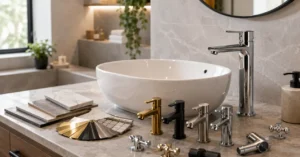
Once flooring is set, move on to shower and wall tile, which introduce texture, pattern, and visual interest. After tile, select your vanity, countertop, and cabinetry finishes, followed by fixtures such as faucets, showerheads, and hardware. Finishing in this order ensures every material complements the ones chosen before it, rather than forcing you to backtrack and rework earlier decisions.
If you are unsure how pieces will look together, lay out samples in natural light and live with them for a few days before committing. Lighting changes how colors and finishes appear throughout the day, so this small step prevents costly second guessing later.
Step Six: Prioritize Function Alongside Style
A beautiful bathroom that does not function well quickly becomes a source of frustration. As you choose a bathroom renovation plan, think practically about ventilation, lighting, storage, and outlet placement.
Proper ventilation prevents moisture buildup and protects your investment over time, so choose an exhaust fan sized correctly for your square footage. Layered lighting, including overhead, accent, and vanity lighting on dimmers, improves both function and ambiance. Built in storage solutions such as recessed shower niches or vanity drawers keep the space organized without crowding the design.
Outlet placement is another detail that is easy to forget until it becomes a daily inconvenience. Plan outlets near the vanity mirror for grooming tools, and consider a dedicated outlet inside a medicine cabinet for charging electric toothbrushes or razors.
Step Seven: Think About Long Term Value
Beyond personal enjoyment, a well planned bathroom renovation can meaningfully increase your home’s resale value. Buyers consistently respond well to updated bathrooms, particularly those with neutral, timeless finishes rather than highly personalized trends that may not appeal broadly.
If you plan to sell within the next several years, consider choosing classic materials and layouts that age gracefully, paired with a few personalized touches that reflect your taste without overwhelming the overall design. This balanced approach protects your investment while still giving you a bathroom you genuinely enjoy using every day. If you’re after finishes that combine resale value with everyday indulgence, take a look at our luxury bathroom renovation options.
Common Mistakes To Avoid During A Bathroom Renovation
Even well planned projects can run into avoidable issues. One frequent mistake is skipping the budget contingency, which leaves homeowners scrambling when unexpected repairs surface. Another is choosing materials before finalizing the layout, leading to mismatched purchases that need to be returned or replaced.
Many homeowners also underestimate timeline expectations, particularly for renovations involving plumbing or electrical changes that require permits and inspections. Building in extra time, alongside extra budget, keeps stress levels manageable and helps the project stay on track from start to finish.
Finally, communication with your contractor matters more than most people expect. Clearly documenting every decision, from grout color to fixture finishes, prevents misunderstandings and ensures the finished bathroom matches your original vision.

How To Choose A Bathroom Renovation Contractor
Selecting the right professional is just as important as selecting the right materials. Look for a licensed, insured contractor with verifiable experience in bathroom specific projects, since these renovations involve unique plumbing and waterproofing requirements compared to other home upgrades.
Request references from recent clients, review past project photos, and ask detailed questions about timeline expectations and how change orders are handled. A transparent contractor will walk you through cost breakdowns and explain how decisions like moving plumbing or expanding a shower will affect both budget and schedule. Taking time to vet this relationship upfront leads to a smoother renovation experience overall. For guidance on when building regulations apply, the UK Government’s Planning Portal is a useful reference.
Frequently Asked Questions
What is the first step in choosing a bathroom renovation?
The first step is setting a realistic budget broken into categories such as labor, fixtures, flooring, and surfaces. This gives you a clear framework for every decision that follows.
How long does a typical bathroom renovation take?
A cosmetic renovation can often be completed within two to three weeks, while projects involving layout changes or plumbing relocation may take six to twelve weeks depending on permitting and material availability.
Should I choose flooring or tile first in a bathroom renovation?
Flooring is generally chosen first because it covers the largest area and needs to be waterproof. Once flooring is selected, shower and wall tile can be chosen to complement it.
What is the difference between a bathroom renovation and a remodel?
A renovation updates existing finishes and fixtures without changing the layout, while a remodel involves structural changes such as relocating plumbing or expanding the room.
How can I make a small bathroom renovation feel larger?
Light, neutral color palettes, wall mounted vanities, and consistent flooring throughout the space all help a small bathroom feel more open and visually larger.
What to Remember When Choosing a Bathroom Renovation
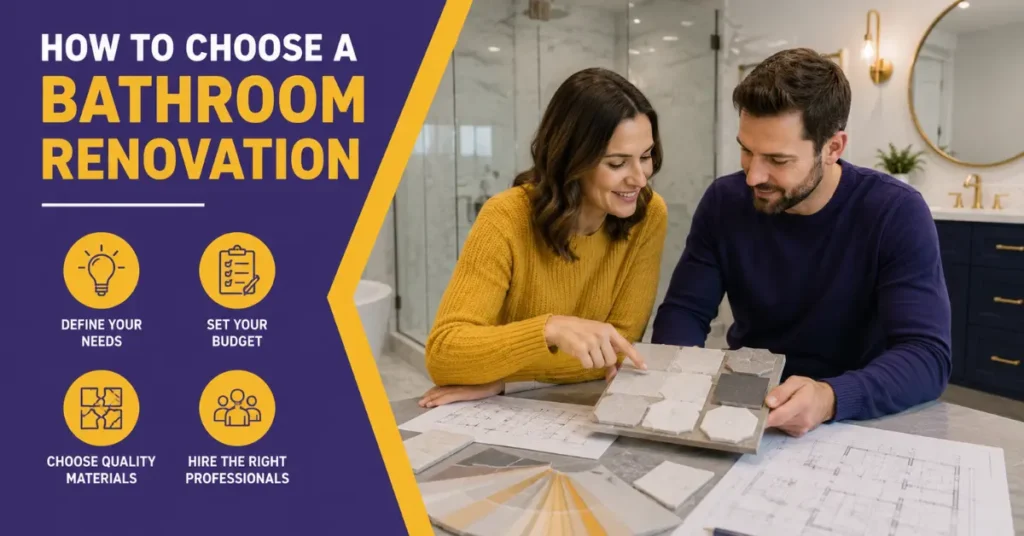
Learning how to choose a bathroom renovation does not need to feel complicated when you approach it step by step. Start with a clear budget, define your project scope, settle on a layout, choose a cohesive design style, and select materials in the right order. Prioritizing function alongside beauty, planning for long term value, and working with a trustworthy contractor round out a process that leads to a bathroom you will genuinely enjoy for years to come.
With thoughtful planning at every stage, your bathroom renovation can become one of the most rewarding upgrades you make to your home, combining comfort, style, and lasting value in a space you use every single day.