Renovating a bathroom in a Victorian or Edwardian property comes with a different set of problems than a modern build, and most generic renovation advice simply doesn’t account for them. Solid walls, old lead or cast iron pipework, uneven floor joists, and a layout that was often squeezed into a former box room or landing all change how a period bathroom needs to be approached.
This guide covers what actually matters when renovating a period bathroom in the UK, from structural considerations and damp control to balancing original character with modern fixtures. Whether you’re planning a sympathetic restoration or a more contemporary full bathroom renovation wolverhampton within a period shell, these factors apply to most pre-1920s UK housing stock.
Why Period Bathrooms Need a Different Renovation Approach
Most UK Victorian and Edwardian homes were never built with a bathroom in mind. Indoor bathrooms were often added later, frequently squeezed into a converted bedroom, landing space, or rear extension, which means the plumbing, floor structure, and layout are rarely straightforward by modern standards.
This matters because decisions that are simple in a new-build, like repositioning a toilet or adding a heavy freestanding bath, can involve significant structural and plumbing considerations in a period property. Getting this wrong isn’t just costly, it can also damage original features that are difficult or impossible to replace.
Period properties reward patience during the planning stage. Rushing straight to fixture choices before understanding the structure and existing services almost always leads to expensive surprises mid-project.
Structural Considerations Specific to Period Bathrooms
Floor Joists and Weight Distribution
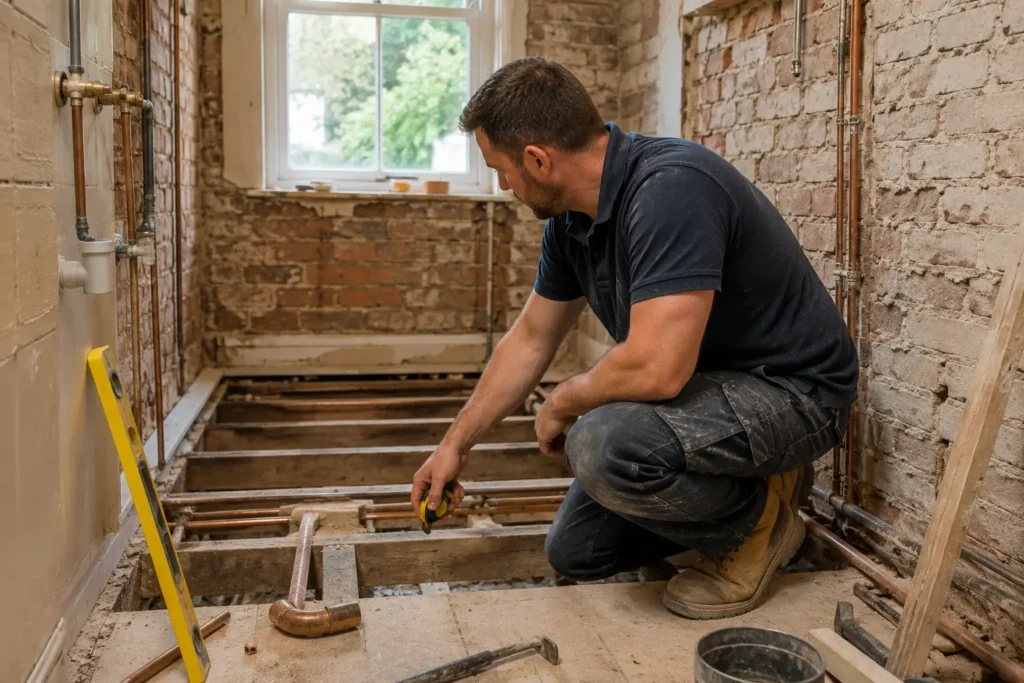
Older floor joists were generally sized for bedroom loads, not the concentrated weight of a cast iron or stone resin bath filled with water plus an adult. A structural check is genuinely worth doing before committing to a heavy freestanding bath in an upstairs period bathroom, particularly in properties with original Victorian joists that haven’t been upgraded.
Uneven Floors and Walls
Solid brick walls and timber floors that have moved slightly over a century rarely give you a perfectly square room. This affects everything from tiling layout to how a shower enclosure or bathroom suites wolverhampton installation will actually fit. A good fitter will survey this properly rather than assuming standard dimensions will work.
Lath and Plaster Walls
Many period properties still have lath and plaster rather than plasterboard, which behaves differently when fixing heavy items like wall-hung basins or grab rails. Fixings need to reach the timber laths or studs behind, not just the plaster surface, or fittings will eventually pull loose.
Plumbing and Pipework in Period Properties
Old Pipework Materials
Many period properties still have sections of lead, galvanised steel, or old copper pipework that predates modern plastic systems. These materials can affect water pressure, are more prone to leaks at old joints, and in the case of lead pipes, raise genuine health considerations that should be addressed during renovation. A qualified bathroom plumbing wolverhampton specialist should assess existing pipework before any new fixtures are connected to it.
Water Pressure Issues
Older properties sometimes run on gravity-fed systems rather than modern pressurised systems, which limits compatibility with certain modern showers and taps. Confirming the existing system type before choosing fixtures avoids buying a shower that simply won’t perform properly once installed.
| Pipework Issue | Common in Properties Built | Typical Solution |
| Lead supply pipes | Pre-1970s | Full replacement recommended, health and pressure reasons |
| Galvanised steel pipework | Early to mid 20th century | Often replaced during renovation due to corrosion risk |
| Gravity-fed water systems | Various periods, common in older homes | May need pump or pressurised system for modern showers |
| Old soil stack positioning | Victorian and Edwardian | Sometimes dictates toilet position without costly rerouting |
Damp, Ventilation, and Period Bathroom Renovation
Damp is one of the most common issues found once work starts on a period bathroom, often hidden behind old tiling or wallpaper. Solid walls without a cavity, common in pre-1920s construction, behave differently to modern walls when it comes to moisture, and need breathable materials rather than modern sealed systems that can trap damp inside the wall.
Practical Damp and Ventilation Tips
- Use lime-based plasters and renders on solid period walls rather than modern cement-based products, which can trap moisture
- Install proper mechanical extraction ventilation, since period bathrooms often relied on a single small window that isn’t sufficient for modern usage patterns
- Address any damp issues before tiling, not after, since tiling over an unresolved damp problem only delays and worsens the eventual repair
- Consider underfloor heating carefully on solid floors, since some systems can interact poorly with damp solid floor construction if not specified correctly
Balancing Period Character With Modern Function
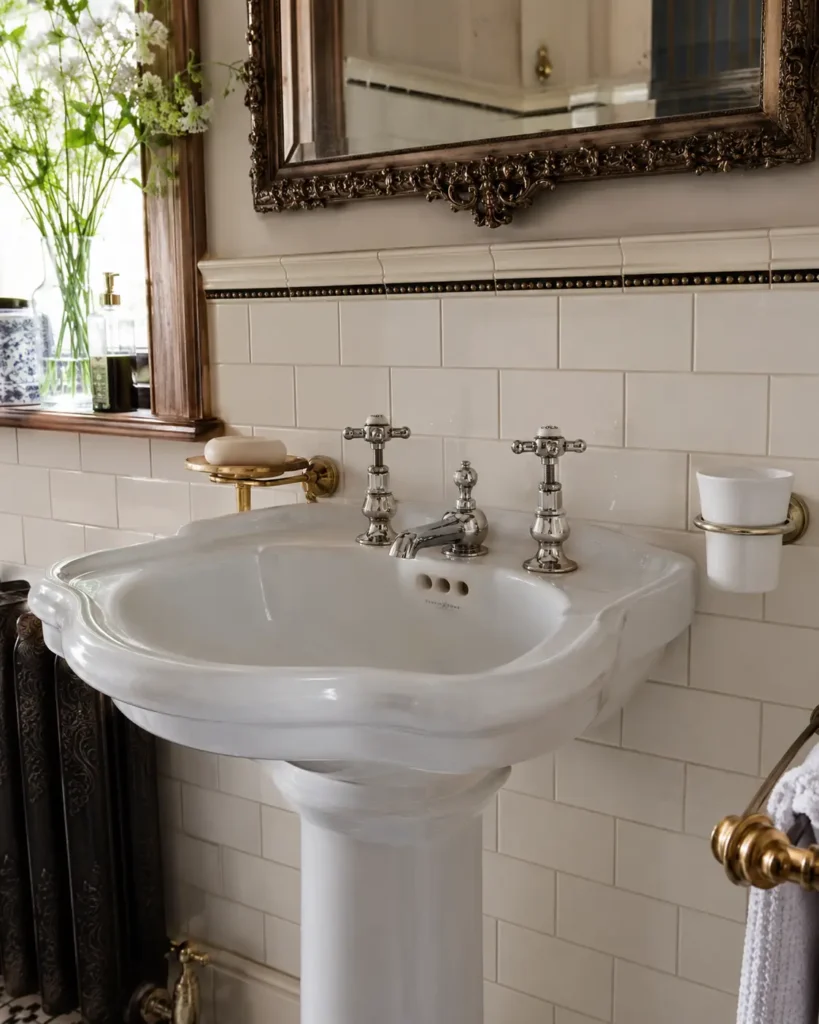
This is usually the central design challenge in any period bathroom renovation. The goal generally isn’t to recreate an exact museum piece, but to choose fixtures and finishes that feel appropriate to the property’s character while still functioning like a modern bathroom.
Fixtures That Suit Period Properties
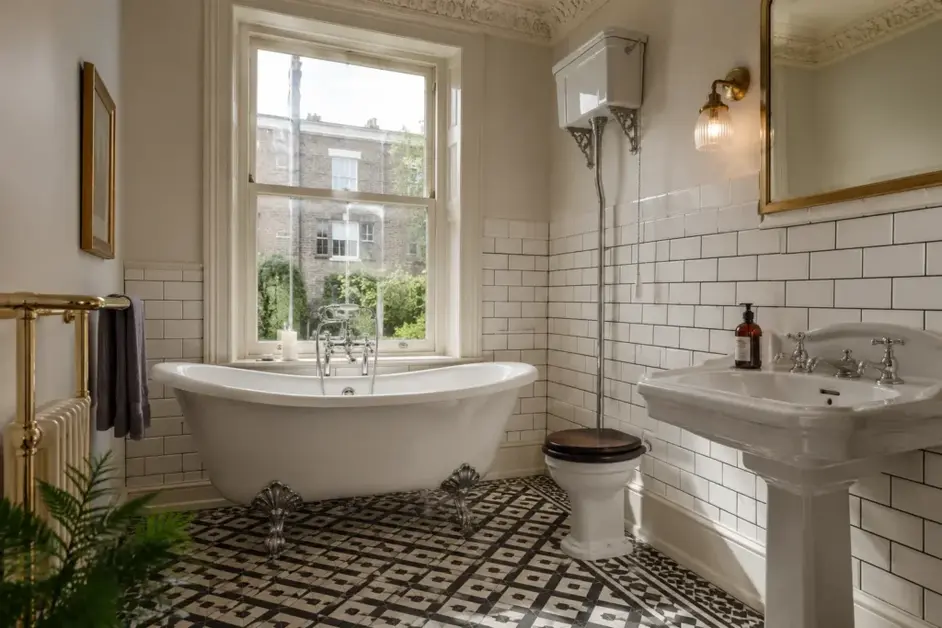
- Roll top freestanding baths, either cast iron or modern stone resin versions that replicate the traditional silhouette
- Traditional cross-head or lever taps in chrome, nickel, or brass finishes
- High-level or close-coupled toilets with a more traditional profile rather than sleek modern wall-hung designs
- Pedestal basins instead of modern floating vanity units, where the room’s proportions suit it
Where Modern Elements Work Well
It’s entirely possible to introduce contemporary elements without clashing with period character. A fully tiled wet room installation wolverhampton can work in a period property if the waterproofing and floor structure are addressed properly, paired with traditional-style fittings to keep the overall feel consistent. Similarly, underfloor heating and modern extraction fans can be hidden behind period-appropriate finishes without anyone noticing the technology underneath.
Tiling Choices for Period Bathrooms
Tiling is one of the easiest ways to either honour or completely undermine a period property’s character. Victorian and Edwardian properties are strongly associated with geometric floor tiles, often in black, white, red, and buff colour combinations, along with metro or subway style wall tiles.
A thoughtful bathroom tiling wolverhampton specification for a period property might include reproduction Victorian floor tiles combined with simple metro tiles on the walls, avoiding overly modern large-format porcelain that can look out of place against original cornicing or picture rails.
Period Bathrooms in Smaller Spaces and Ensuites
Many period properties have bathrooms that were converted from small bedrooms, box rooms, or even large cupboards, which creates genuine space constraints. A small bathroom renovation wolverhampton approach within a period property often benefits from compact period-style fixtures, a corner basin or shorter roll top bath, rather than full-size modern equivalents that simply won’t fit comfortably.
For properties being extended with a new ensuite bathroom renovation wolverhampton, it’s worth considering whether the new space should match the original property’s period character or read as a deliberately modern addition. Both approaches work, but mixing the two without a clear decision often looks unresolved.
Accessibility in Period Properties
Adapting a period bathroom for accessibility needs comes with extra considerations, since solid walls and narrow doorways common in older properties limit some standard accessible bathroom solutions. Disabled bathroom adaptations wolverhampton work in period properties often requires careful planning around door widths, turning circles, and wall reinforcement for grab rails on lath and plaster or solid masonry walls.
Luxury Period Bathroom Renovations
Period properties lend themselves particularly well to high-end finishes, since the existing architectural character, high ceilings, cornicing, large windows, already supports a more elevated design approach. A luxury bathroom renovation wolverhampton within a period property might pair a freestanding cast iron bath with reclaimed or reproduction brassware, encaustic tile flooring, and a statement chandelier or pendant suited to higher ceilings typical of Victorian construction.
Period Bathroom Renovation Across Wolverhampton
Wolverhampton has a substantial stock of Victorian and Edwardian housing, and renovation needs vary noticeably by area. Bathroom renovation wolverhampton city centre properties often include converted Victorian terraces and flats, where space constraints and shared pipework with neighbouring units add extra planning considerations. Larger period homes typical of bathroom renovation tettenhall and bathroom renovation penn wolverhampton frequently retain more original features, supporting a more sympathetic, character-led renovation approach.
In bathroom renovation bilston and bathroom renovation wednesfield, older terraced housing commonly needs full pipework assessment before renovation work begins, given the prevalence of original Victorian plumbing in these areas. Bathroom renovation bushbury and bathroom renovation whitmore reans projects often involve damp treatment as a necessary first step, particularly in solid-walled properties without later cavity insulation.
Properties in bathroom renovation heath town and bathroom renovation blakenhall wolverhampton frequently require lath and plaster wall assessment before fitting modern wall-hung fixtures. Bathroom renovation oxley wolverhampton and bathroom renovation fallings park period properties sometimes combine traditional character with new wet room conversions, requiring careful waterproofing on original floor structures.
Further out, bathroom renovation pendeford, bathroom renovation codsall, bathroom renovation perton, and bathroom renovation wombourne include a mix of period cottages and larger Edwardian homes, where structural surveys are particularly important given the variation in original construction methods across these more rural and semi-rural areas.
Practical Tips for Renovating a Period Bathroom
- Always get a structural assessment before installing a heavy freestanding bath upstairs in an older property
- Budget extra contingency for pipework and damp issues that often only become visible once work starts
- Choose breathable materials on solid walls rather than modern sealed systems
- Balance original character fixtures with practical modern elements like proper ventilation and waterproofing
- Survey the room properly rather than assuming standard dimensions, since period rooms are rarely perfectly square
- Research period-appropriate tile patterns and colours before committing to a modern alternative that may clash with original features
Frequently Asked Questions
What is different about renovating a Victorian or period bathroom compared to a modern one?
Period bathrooms often involve solid walls, older pipework materials, uneven floor structures, and damp considerations that modern new-build bathrooms typically don’t have, requiring more careful structural and material planning.
Do I need a structural survey before renovating a period bathroom?
It’s strongly recommended, particularly if installing a heavy freestanding bath upstairs, since older floor joists may not have been designed for that concentrated weight.
Can I install a modern wet room in a period property?
Yes, but it requires careful attention to waterproofing and floor structure, since period floors weren’t originally built with a fully tanked wet area in mind.
What tiles suit a Victorian bathroom renovation?
Geometric Victorian-style floor tiles in colours like black, white, red, and buff, paired with simple metro or subway wall tiles, are the most historically appropriate choices for period bathrooms.
Is old lead pipework in a period bathroom dangerous?
Lead pipework can pose health considerations and is generally recommended for replacement during renovation, alongside addressing any related water pressure issues.
Renovating a period bathroom rewards a slower, more considered approach than a standard modern renovation. Understanding the structure, pipework, and damp characteristics of an older property before choosing fixtures leads to a bathroom that genuinely respects the building’s character while still working properly for modern daily life.